Source handmade ceramic christmas village houses for decor
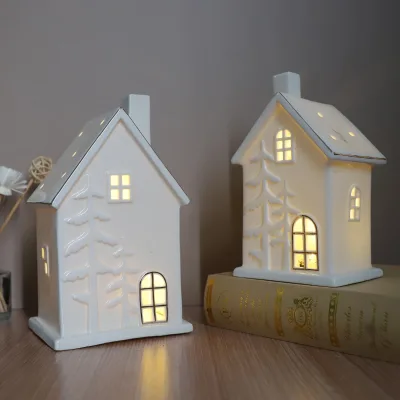
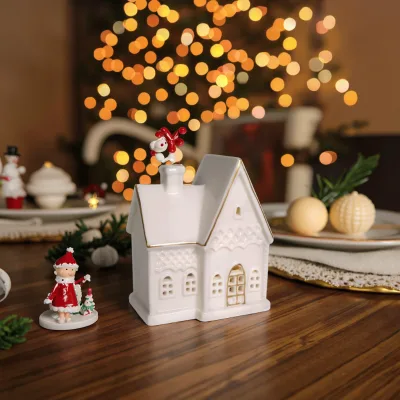
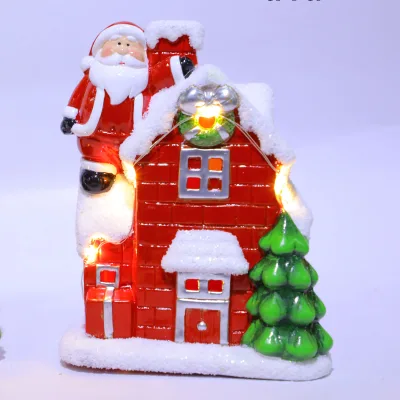
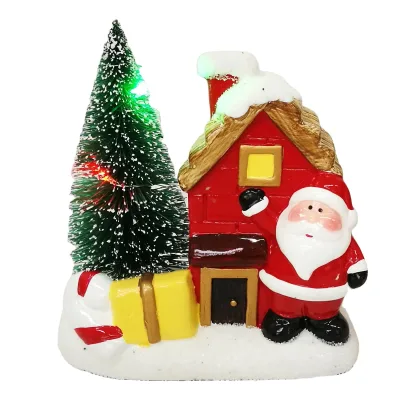
Find 30 handmade ceramic christmas village houses from Chinese manufacturers. Compare sizes, weights, and customization options for home decoration, holiday displays, and retail inventory.
Key considerations
Products List
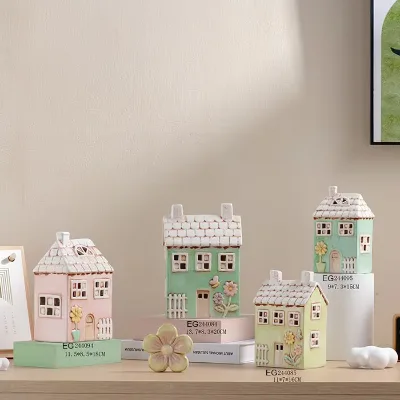
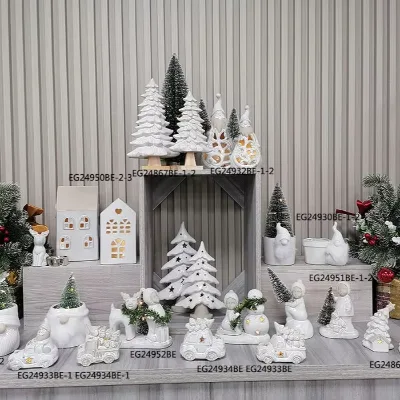
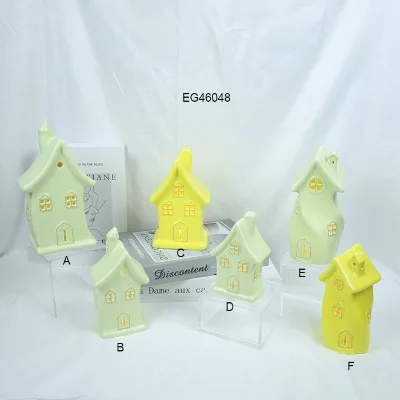
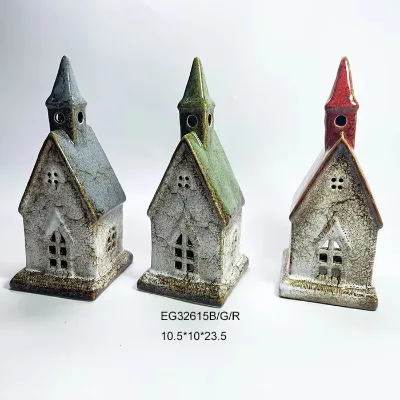
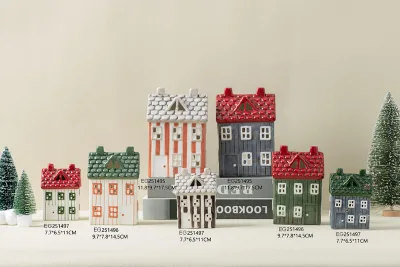


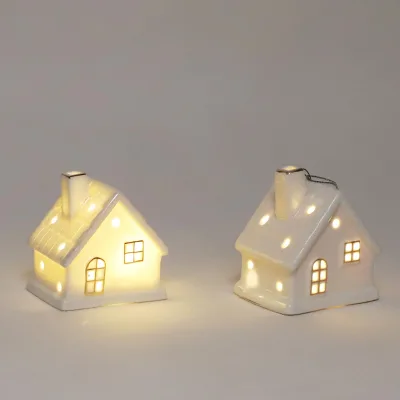
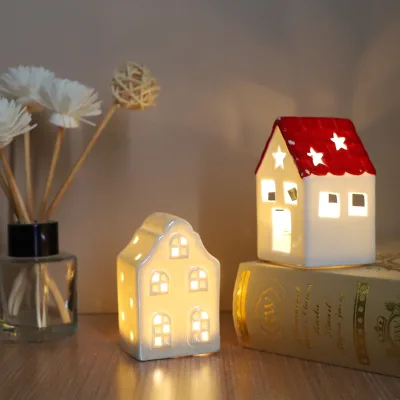
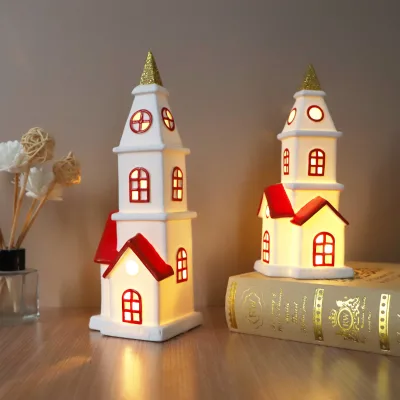

Comprehensive Sourcing Guide
Handmade Ceramic Christmas Village Houses Sourcing Guide
Sourcing handmade ceramic Christmas village houses requires a nuanced understanding of both the artistic craftsmanship involved and the rigorous logistical demands of importing fragile, decorative goods. These items serve as prominent focal points in holiday retail displays and residential decor, blending traditional artisanal techniques with modern manufacturing scalability. Buyers must navigate a landscape where aesthetic uniqueness competes with the need for consistent quality and safe delivery. This guide provides a structured approach to evaluating suppliers, verifying product specifications, and managing commercial risks associated with this specific category of holiday merchandise.
The procurement process for ceramic village houses is distinct from general home decor due to the high breakage risk during transit and the variability inherent in handmade or semi-handmade production. Successful sourcing depends on establishing clear communication regarding design customization, material grades, and packaging standards. By focusing on verified supplier capabilities and precise technical requirements, buyers can mitigate the common pitfalls of damaged inventory and inconsistent finishes. The following sections detail the critical steps for building a reliable supply chain for these decorative items.
Product Scope and Observed Listing Signals
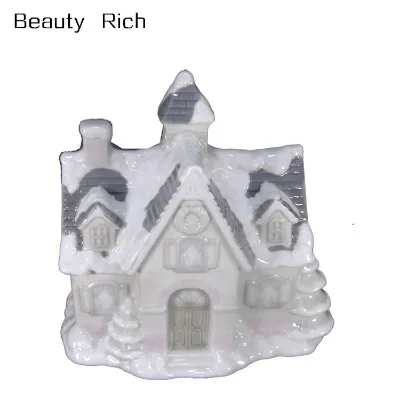
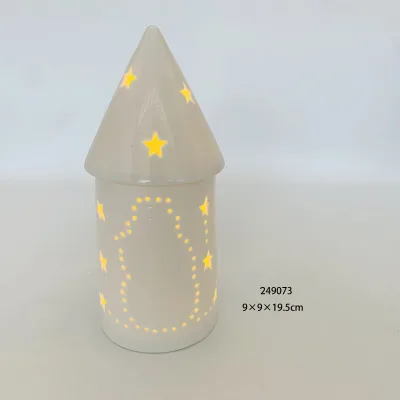
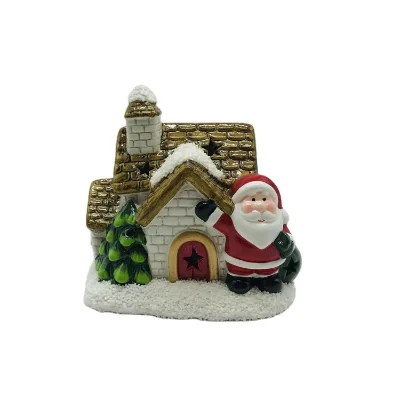
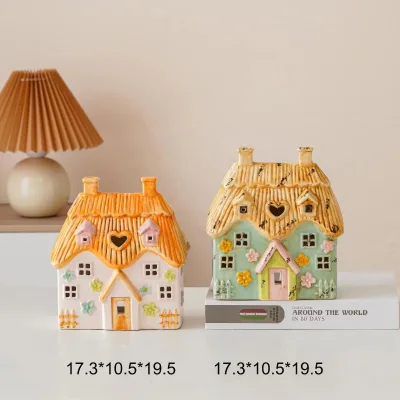
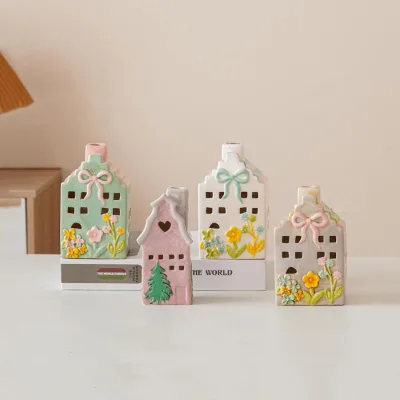
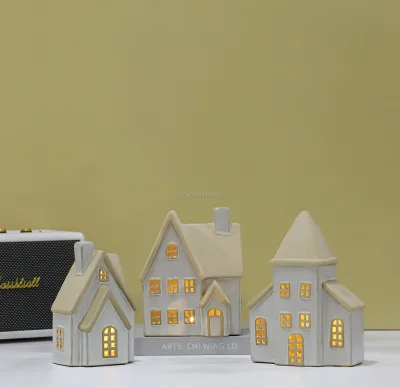
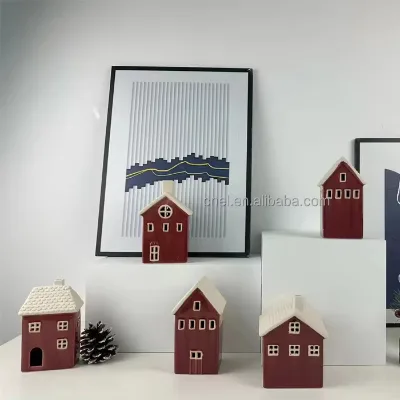
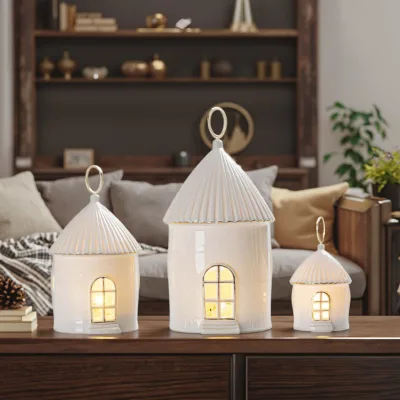
The market for ceramic Christmas village houses encompasses a wide range of styles, from traditional European-style cottages to modern minimalist structures. Observed listings indicate that products are frequently marketed with keywords such as "Christmas decoration ceramic house with LED light" and "Christmas village house with LED," suggesting a strong consumer preference for illuminated displays. These items are often categorized under home and garden decoration, with specific applications in creating festive village scenes for mantels, tables, and storefronts. The presence of LED lighting components adds a layer of complexity, requiring buyers to consider electrical safety alongside ceramic integrity.
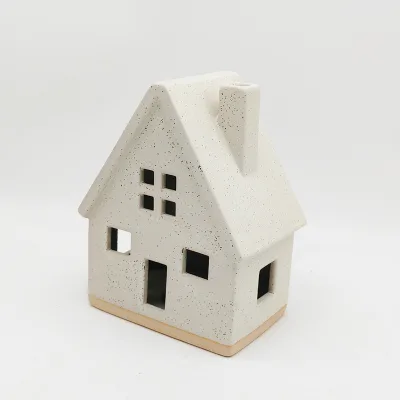
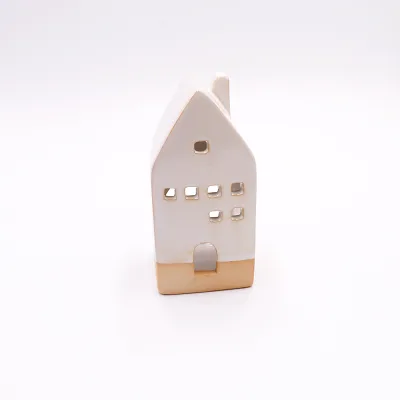
Color and material variations are significant signals in product listings. While some items are described with specific colors like white, beige, or pink, others offer customized color options to match brand identities or seasonal themes. The primary materials observed include ceramic, stoneware, and porcelain, each offering different durability and aesthetic qualities. Porcelain tends to provide a finer, smoother finish suitable for detailed painting, while stoneware may offer greater robustness. Buyers should note that "handmade" claims often coexist with mass-production techniques, so verifying the actual degree of manual intervention is essential for accurate cost and quality assessment.
Technical Specifications to Verify
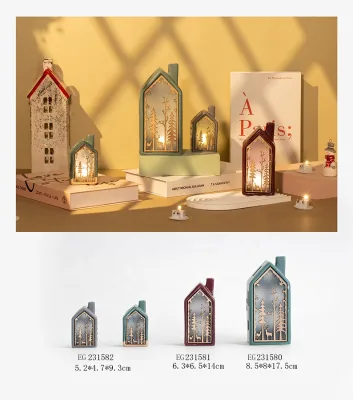
Dimensional accuracy and packaging integrity are paramount when sourcing ceramic village houses. Single package sizes observed in listings vary significantly, ranging from approximately 23x23x23 cm to 32x23x23 cm, with some custom options reaching 30x30x30 cm. These dimensions directly impact shipping costs and warehouse storage efficiency. Buyers must verify whether the listed sizes refer to the product itself or the packed unit, as this distinction affects freight calculations. Additionally, single gross weights typically range from 1.0 kg to 1.5 kg per item, indicating substantial density that requires sturdy packaging to prevent crushing during transit.
Customization capabilities are a key technical differentiator among suppliers. Many manufacturers offer customized sizes, logos, and branding options, allowing buyers to create unique product lines. Model numbers such as DSX2412052 and EG suggest standardized production bases that can be adapted for specific client needs. Buyers should confirm the feasibility of custom molds versus hand-painting existing templates, as this choice affects lead times and minimum order quantities. Furthermore, the inclusion of LED lights requires verification of voltage compatibility, battery life, and wiring durability to ensure the electronic components function correctly upon arrival.
Compliance and Safety Documentation
Electrical safety is a critical compliance area for ceramic houses equipped with LED lighting. Buyers must ensure that all electronic components meet the safety standards of the destination market, such as UL, CE, or RoHS certifications, depending on the region. Since listings often mention LED integration, verifying the source of the lighting components and their certification status is non-negotiable. Suppliers should provide test reports for the electrical parts, confirming that they are free from hazardous substances and operate within safe temperature limits to prevent fire hazards.
Material safety and food-contact restrictions, if applicable, should also be addressed. While ceramic village houses are primarily decorative, buyers should confirm that glazes and paints used are non-toxic and lead-free, especially if the products are intended for markets with strict environmental regulations. Documentation regarding the grade of the ceramic material, such as "TOP Grade" or "high quality," should be supported by factory audits or quality control reports. Buyers should request certificates of analysis for raw materials to ensure compliance with international standards for decorative ceramics.
Cost Drivers and Commercial Terms
Pricing for ceramic Christmas village houses is influenced by material costs, labor intensity, and customization levels. Observed price ranges in the market vary widely, reflecting differences in quality, design complexity, and order volume. Minimum order quantities (MOQs) can range from small trial orders of 1 unit to bulk requirements of 1200 units, with some suppliers setting specific MOQs like 500 pieces for customized items. Buyers should negotiate MOQs based on their sales forecasts and storage capacity, considering that lower MOQs may incur higher per-unit costs.
Shipping and packaging costs are significant components of the total landed cost. The heavy weight and fragile nature of ceramic products necessitate robust packaging solutions, such as carton boxes with internal cushioning, which add to the overall expense. Buyers should clarify whether shipping terms include insurance for breakage, as this is a common risk in ceramic logistics. Additionally, lead times for customized orders may be longer due to the need for mold creation or hand-painting processes, so aligning production schedules with holiday demand peaks is crucial to avoid stockouts.
Supplier Qualification and Quality Control
Evaluating supplier capabilities requires a focus on production capacity and quality control processes. Buyers should verify the supplier's experience in manufacturing ceramic decorative items, particularly those with electronic components. Factory audits can provide insights into the production line, including kiln capacity, painting stations, and quality inspection checkpoints. Suppliers that offer sample acceptance, as indicated in some listings, allow buyers to assess product quality before committing to large orders, making sample evaluation a critical step in supplier qualification.
Quality control measures should include rigorous inspection of both the ceramic body and the electronic components. Buyers should establish clear acceptance criteria for defects such as cracks, glaze imperfections, or LED malfunctions. Implementing a pre-shipment inspection protocol can help identify issues before goods leave the factory, reducing the risk of receiving damaged inventory. Suppliers with a track record of consistent quality and transparent communication are preferable, as they are more likely to address issues promptly and maintain high standards throughout the production process.
Long-Term Procurement Checks
Building a sustainable supply chain for ceramic Christmas village houses involves continuous monitoring of supplier performance and market trends. Buyers should regularly review supplier reliability, including on-time delivery rates and responsiveness to issues. Establishing long-term partnerships with trusted suppliers can lead to better pricing, priority production slots, and improved collaboration on new designs. Regular communication about upcoming seasonal trends and consumer preferences can help suppliers align their production with market demand, ensuring a steady supply of relevant products.
Adaptability to changing regulations and consumer expectations is essential for long-term success. Buyers should stay informed about updates in safety standards, environmental regulations, and packaging requirements in their target markets. Proactively addressing these changes by working with suppliers who are committed to compliance and innovation can mitigate risks and enhance brand reputation. Additionally, exploring opportunities for product differentiation through unique designs or sustainable materials can help maintain a competitive edge in the crowded holiday decor market.
FAQs
What materials are used for these ceramic Christmas decorations?
These decorations are crafted from high-quality ceramic materials including stoneware and porcelain. The products are graded as top grade to ensure durability and aesthetic appeal. Buyers can expect consistent material quality suitable for home and garden decoration purposes during the holiday season.
Can I customize the logo and branding on the ceramic houses?
Yes, customized logos and branding are acceptable for these ceramic Christmas houses. The supplier supports stand-alone branding or marketing customization to meet specific business needs. This allows buyers to create unique holiday supplies that align with their brand identity and marketing strategies effectively.
What is the minimum order quantity for these ceramic village houses?
The minimum order quantity is 500 pieces for these ceramic Christmas decorations. This MOQ applies to the standard production runs for the village houses. Buyers should plan their procurement accordingly to meet this threshold, which ensures efficient manufacturing and shipping processes for the ordered items.
Are samples available for these ceramic Christmas decorations before bulk order?
Samples are acceptable and available for these ceramic Christmas decorations. Buyers can request samples to verify the product quality, size, and finish before committing to a bulk order. This step helps ensure that the final products meet the expected standards for home decoration and holiday supplies.
Where are these ceramic Christmas houses manufactured?
These ceramic Christmas houses are manufactured in Fujian, China. The production takes place in this region known for its ceramic industry expertise. Buyers sourcing from this location can benefit from established supply chains and specialized manufacturing capabilities for high-quality ceramic holiday decorations and village houses.
What packaging is used for these ceramic Christmas decorations?
These ceramic Christmas decorations are packed in carton boxes for safe transport. The packaging is designed to protect the fragile ceramic items during shipping. Each item is individually packed to prevent damage, ensuring that the products arrive in good condition for use as home Christmas decorations or village displays.